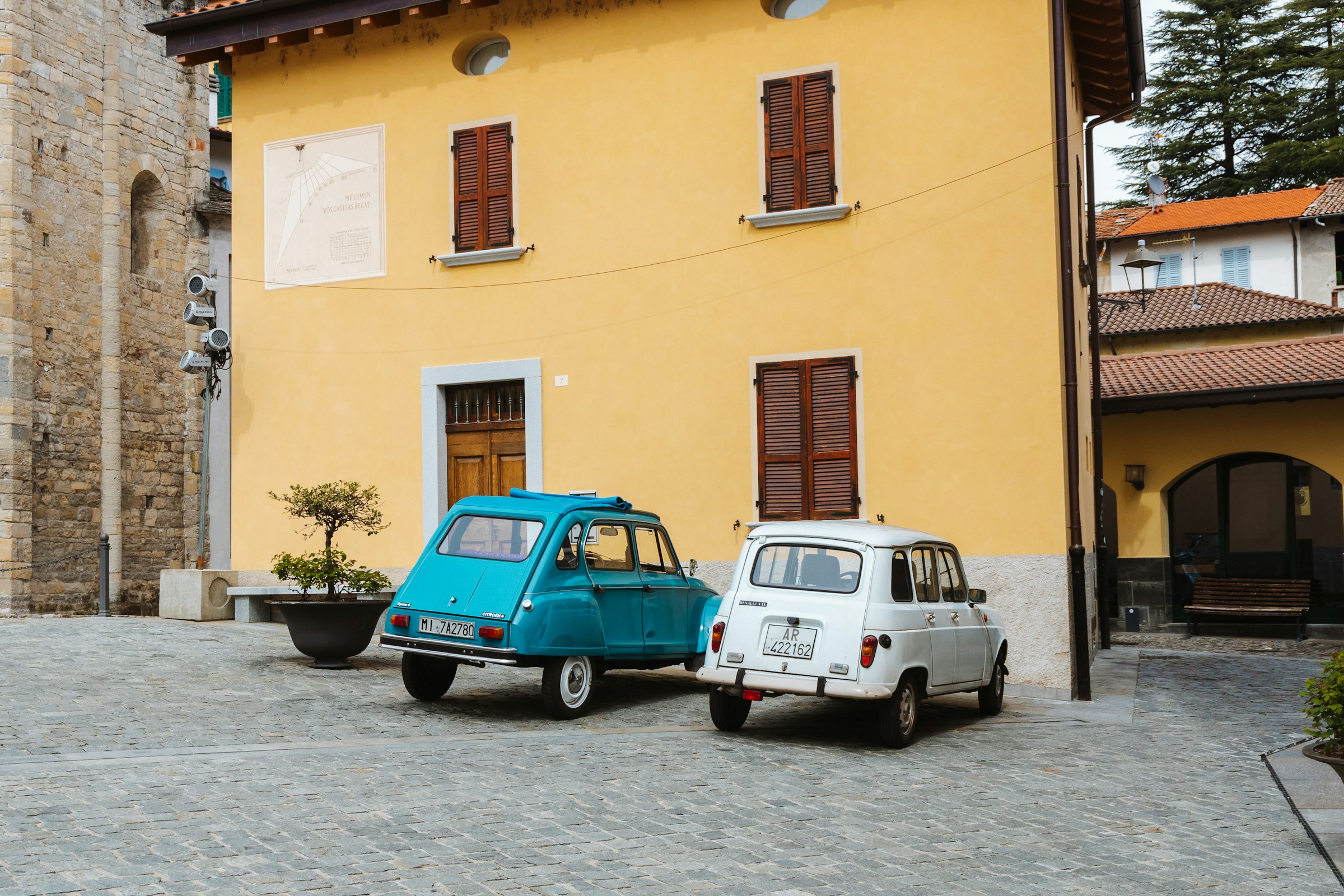
🌎 Hidden Gems: Why Small Towns Offer the Best Travel Experience
I. The Noise vs. The Nostalgia
We live in a world obsessed with bucket lists dominated by global mega-cities. We chase iconic landmarks, battle crowds for the perfect photo, and spend fortunes on rushed experiences. But what happens when you skip the endless lines, the crowded museums, and the overpriced coffee shops? You discover the **hidden heart of a country**—its small towns.
This guide explores the profound reasons why embracing the **small town travel** movement leads to richer, more authentic, and ultimately, more memorable adventures. We'll show you how to find these **underrated destinations** and what to look for when you arrive. It's time to trade the fast-paced tourist loop for the slower, more soulful rhythm of **local adventures**.
II. Why Small Towns Win Over Metropolitan Hubs
The appeal of the small town is more than just quiet; it’s a fundamental shift in the travel dynamic that prioritizes quality interactions over endless sightseeing.
Key Advantages of Slow Travel
- The Power of Connection: In small towns, interactions are genuine. The person selling you produce at the market is likely the person who grew it. This human connection is often lost in massive tourist districts.
- Affordability and Value: Your travel budget stretches significantly further. Accommodation, local eateries, and parking are consistently less expensive, allowing for a longer, more relaxed stay.
- Unspoiled Culture: Small towns are often guardians of regional traditions. You’re more likely to find true local dialect, centuries-old recipes, and unique artisanal crafts that haven't been commercialized for mass tourism.
- Zero Lines, Maximum Immersion: The high ratio of local residents to visitors means you don't feel like a cog in a tourist machine. You're a temporary resident, not just a visitor.
III. The Art of Finding Your Next Underrated Destination
How do you move beyond the guidebook and find the true hidden gems that haven't been discovered by mass tourism yet? It requires a slight shift in your search strategy, moving from popular searches to hyper-local inquiries.
A. Leveraging Digital Tools for Local Insights
Instead of searching "Top 10 Cities to Visit," try using more specific, niche queries that local residents would use:
- Search for "Best Regional Food Festivals [Country/Region]"
- Look up "Historic Preservation Awards [State/Province]" or "Oldest Family Businesses"
- Find "Community Supported Agriculture (CSA) Farms Near [Major City]" – this often points to vibrant, outlying farming communities.
B. The "2-Hour Rule"
A simple yet effective method: Look at the map. Find a town roughly 1-3 hours away from a major international airport or capital city. These towns are typically close enough to have maintained some vitality but far enough away to retain their unique character and avoid the daily crush of day-trippers.
IV. Case Studies: Three Charming Towns That Redefine Travel
To illustrate the diversity of small-town charm, here are three conceptual examples spanning different continents and cultural styles, proving that authentic travel is truly everywhere.
| Town Example | Focus | What Makes it Special |
|---|---|---|
| **Porto Vecchio, IT (Fictional)** | Ancient Craftsmanship | Known for its ancient terracotta rooftops and a single, family-run olive mill that uses 500-year-old stone presses. True slow food culture. |
| **Tofino Bay, CA (Fictional)** | Rugged Coastal Beauty | A remote coastal village famous for its cold-water surfing, dense ancient forests, and micro-breweries powered by local geothermal energy. |
| **Kiso-Fukushima, JP (Fictional)** | Historical Preservation | A post town on an old highway, preserved almost perfectly since the Edo period. Offers a glimpse into traditional Japanese life far from modern Tokyo. |
V. Embracing the Slow Travel Philosophy
“Travel is not about seeing a lot of things; it's about seeing a few things deeply.”
Small town travel is the essence of the **Slow Travel** movement. It’s about quality over quantity, savoring the moments, and reducing the stress of a packed itinerary. Learn to sit, watch, and listen. Support the local coffee shop, browse the one bookstore, and take a long, aimless walk without a destination in mind. This deliberate pace is the antidote to modern burnout and the key to true discovery.
When you commit to **slow travel**, you move from consuming an experience to participating in it. You give yourself permission to spend an entire afternoon reading in a local park, rather than rushing to the next museum. This shift in mindset delivers a profound sense of peace and connection that a typical city break simply cannot match.
VI. Conclusion: Where Authenticity Lives
If you want your next trip to be more than just a photo op, make a detour. Seek out the towns where the heart of the community beats loudest and where the culture hasn't been diluted by tourist demands. They are waiting to share their stories with you, one unhurried moment at a time. The world's greatest treasures aren't always found in the loudest places; sometimes, they whisper from a cobblestone street in a quiet corner of the map.